Socialization vs. Exposure: Why Your Puppy Doesn't Need to Meet Every Dog at the Dog Park
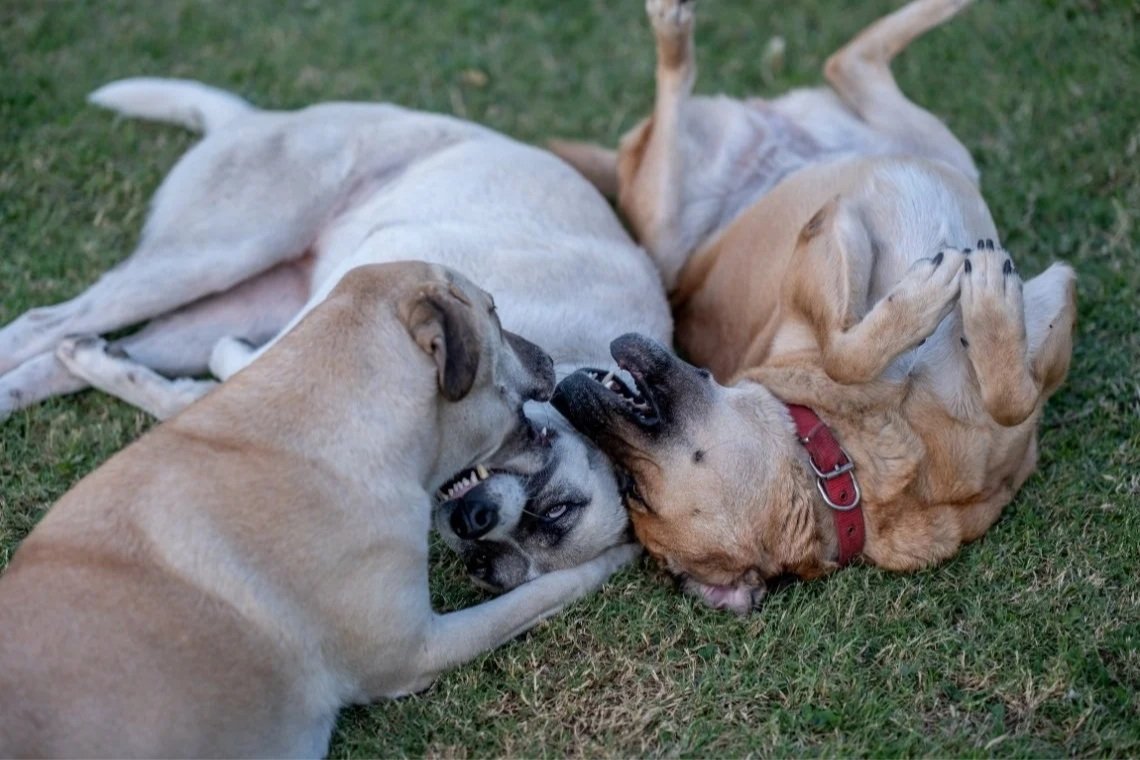
You pick up your new puppy, and the advice comes from everywhere: "You have to socialize him! Take him to the dog park! Let him meet everyone!"
So, you head to your local Vancouver off-leash park. It’s chaotic, dogs are running everywhere, and you feel the pressure to unclip the leash and let your puppy jump into the fray to "make friends."
Stop right there.
This common advice is actually one of the biggest causes of behavioral issues like leash reactivity and frustration later in life.
True socialization isn't about interaction; it's about neutrality.
The "Dog Park" Misconception
Many owners think a "socialized" dog is the life of the party - a dog that runs up to every human and wrestles with every dog they see.
The Reality: If you teach your puppy that seeing another dog always means "Playtime!", you are creating a massive problem.
When you put the leash back on for a sidewalk walk, that expectation doesn't disappear. Your dog sees another dog and thinks, "Why can't I say hi? I usually get to say hi!"
The result? They pull, bark, whine, and lunge. Not because they are aggressive, but because they are frustrated greeters. You have accidentally trained them to value other dogs more than they value you.
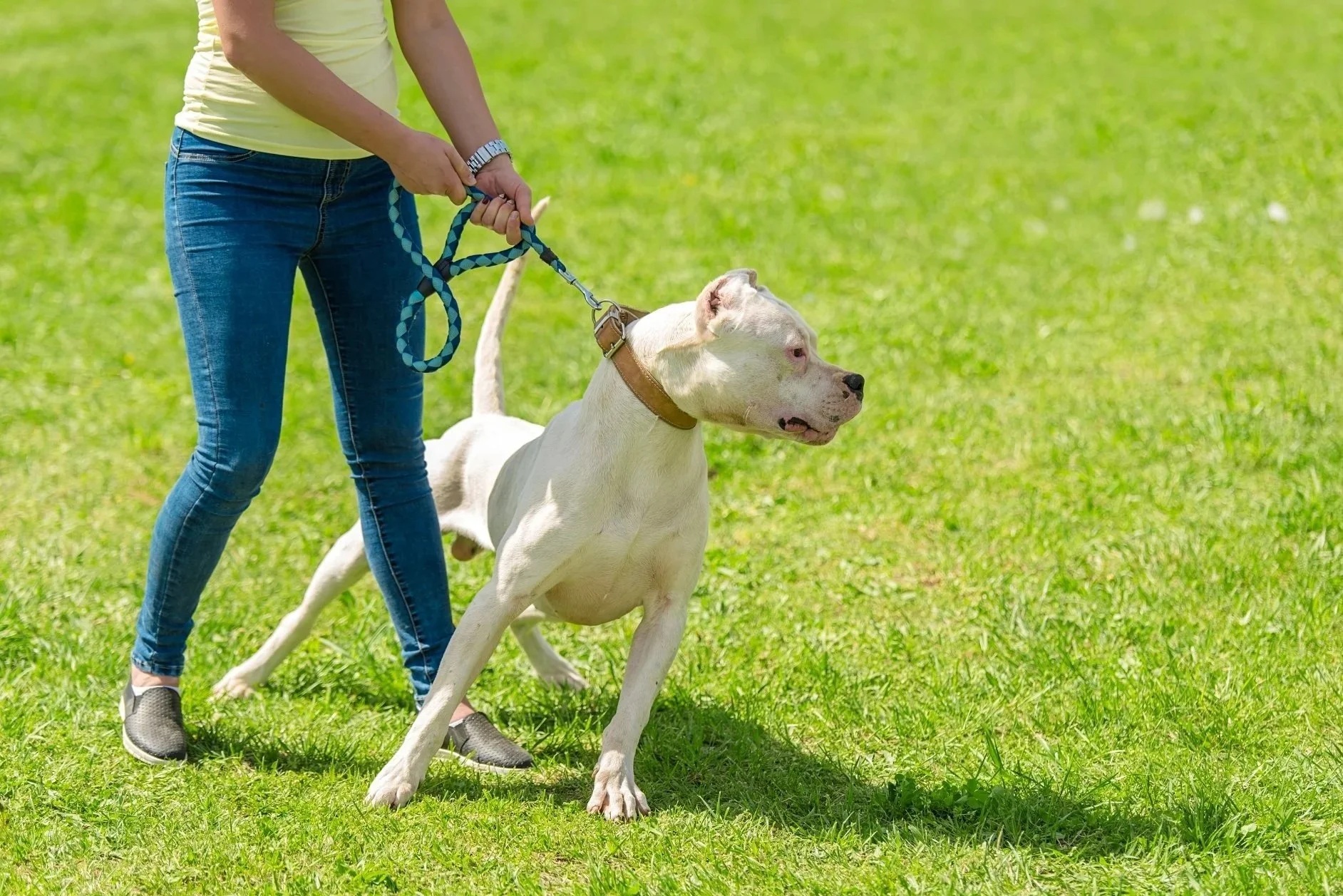
Our intentions mean well when we want our dogs to “socialize” with other dogs. But it oftentimes lead to frustration and reactivity on leash.
The Goal: The "Coffee Shop" Dog
Think about how humans socialize. When you go to a coffee shop, you don't walk around shaking hands with every single person at every table. That would be weird (and exhausting).
Instead, you sit calmly, enjoy your coffee, and ignore the people around you. You are neutral. You are comfortable in the environment, but you aren't compelled to interact with it.
This is what we want for your puppy. We want them to see another dog and think, "Oh, cool, a dog," and then immediately look back at you.
How to Socialize Without the Dog Park Scrum
Instead of throwing your puppy into the deep end of the dog park, try Engagement Exposure.
1. Find the "Goldilocks" Distance
Go to the dog park, but do not go inside. Stay outside the fence, or find a park bench 50 feet away. Find a distance where your puppy can see the other dogs but is still able to eat treats and look at you.
2. The "Engage-Disengage" Game
Step 1: Your puppy looks at the dogs playing.
Step 2: Wait a second.
Step 3: When your puppy voluntarily looks back at you (checking in), MARK (Click or "Yes!") and reward heavily.
You are teaching them: "The presence of other dogs is the cue to focus on me."
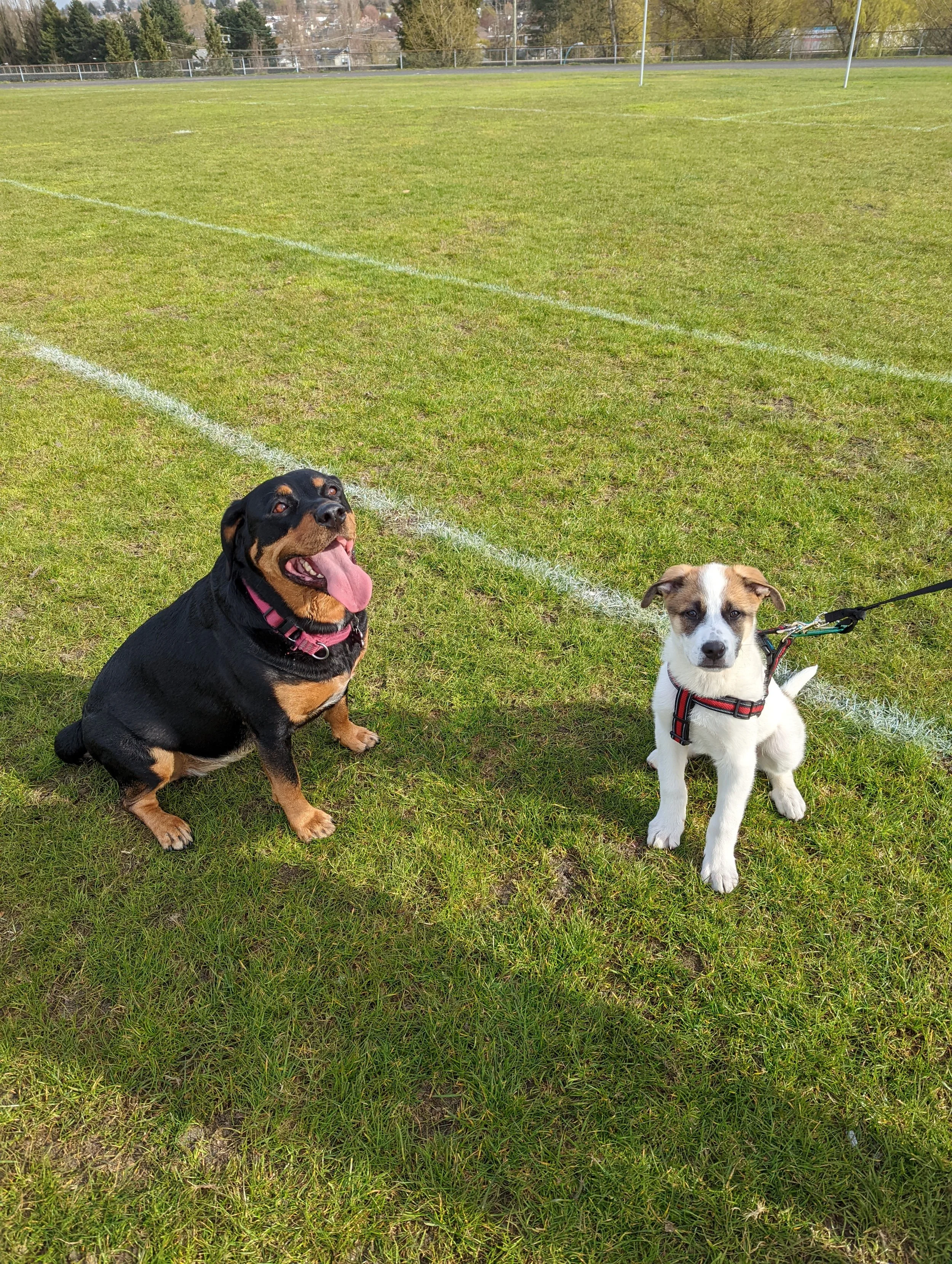
You don’t want socializing with other dogs to be the highlight of a puppy’s week. You want to aim for “neutrality” when it comes to interacting with other dogs.
3. Curate Your Friends
Socialization does involve play, but it should be with known, balanced dogs. Set up 1-on-1 playdates with a friend's calm adult dog or a well-matched puppy.
Avoid the "mosh pit" of the public park where bullying, bad manners, and illness can spread quickly. One bad experience during a fear period can take months to undo.
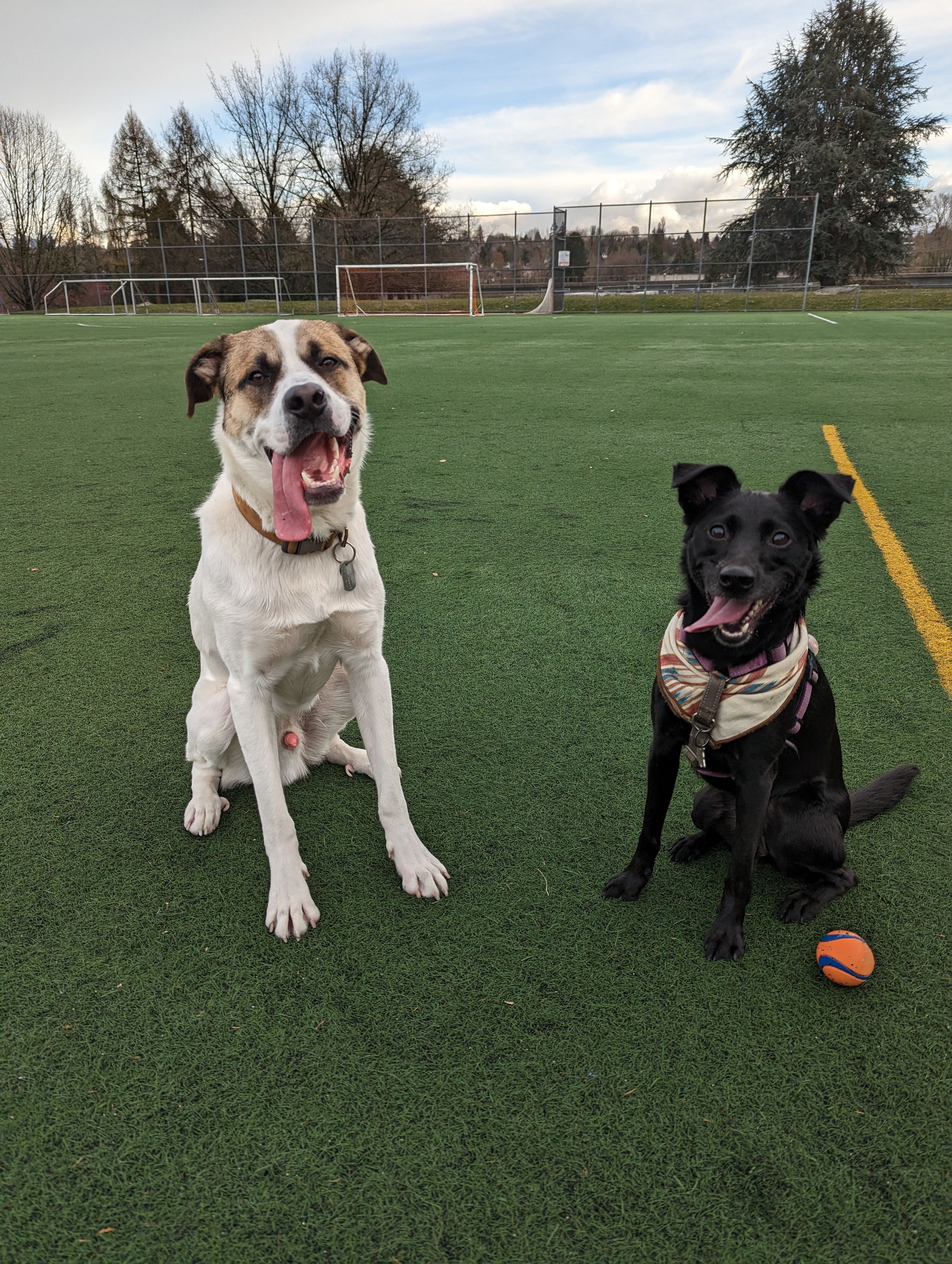
Just like us humans, when it comes to friends, aim for quality, not quantity!
Build a Bond, Not a Party Animal
Your goal is to be the most interesting thing in your dog's world. By focusing on neutrality rather than forced interaction, you build a dog that can walk calmly down a busy street, settle on a patio, and listen to you even when distractions are high.
Socialization is about confidence, not chaos.
Confused about how to safely socialize your new puppy? Let's build a custom exposure plan that builds confidence without the bad habits.
