Why Is My Dog So Reactive? A Vancouver Trainer’s Guide to Calm Walks
Is your daily walk a nightmare?
Do you find yourself mapping out "safe" routes, ducking behind parked cars, or only going out at 5 AM just to avoid other dogs?
First, take a deep breath. You are not alone, and you are not a bad owner. Leash reactivity is one of the most common and most stressful challenges I help Vancouver dog owners with. The good news? It's complex, but it's almost always solvable.
In our first official post, we'll go beyond the barking and lunging to diagnose the real reasons your dog is reactive (hint: it’s not "dominance") and outline the first foundational steps to a calmer, more confident dog.
What Reactivity Actually Is (And Isn't)
Let's clear this up: reactivity is not aggression.
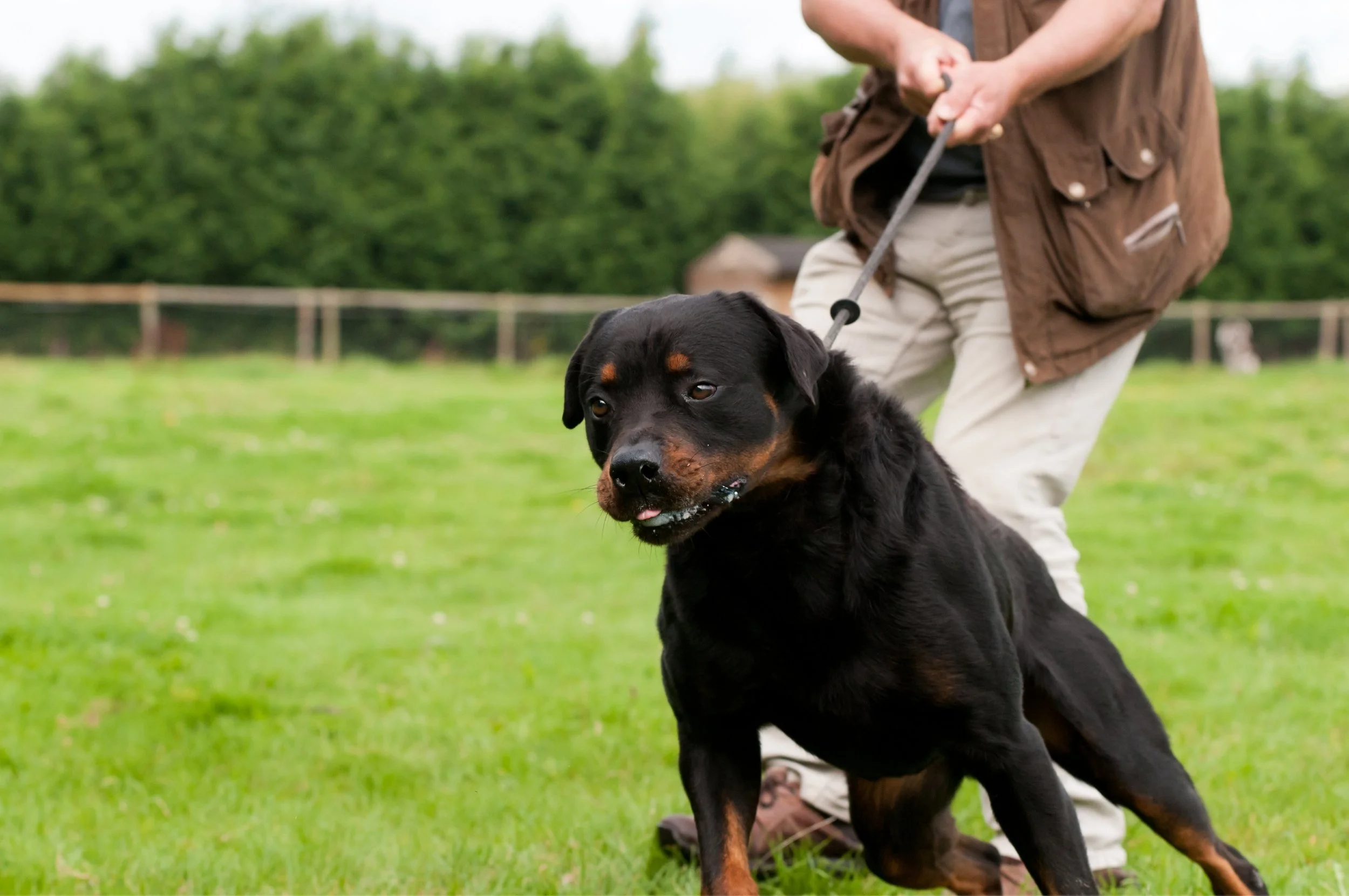
A reactive dog is a dog having a big, outsized emotional reaction to a normal thing (a "trigger"). Think of it like a human with a very short fuse. They aren't "bad"; they are simply overwhelmed and are using the only language they have (barking, lunging, growling) to say, "I am not comfortable!"
This overreaction almost always stems from two "big feelings":
Fear/Anxiety: This is the most common. The dog is scared of the trigger (another dog, a stranger, a skateboard) and is essentially yelling, "Get away from me, you're scary!"
Frustration: This is common in friendly, high-energy dogs. They really want to say hi, but the leash is holding them back. This barrier frustration builds up until they explode.
The "Vancouver Problem": Why Is Reactivity So Common Here?
If it feels like every other dog in Vancouver is reactive, you're not wrong. Our beautiful city, with its high-density living and active culture, is a unique pressure cooker for this exact issue.
High-Density Living: In a city of condos, elevators, and narrow apartment hallways, your dog has no "safe" distance. They are constantly forced into close contact with triggers, and their personal bubble is popped 20 times a walk.
Constant Leash Pressure: The Seawall, Stanley Park, downtown and busy neighbourhood sidewalks are (rightfully) on-leash zones. This can cause barrier frustration, where a dog who is perfectly friendly off-leash becomes a lunging, barking mess when they feel restrained.
The "Rainy Day" Effect: For 4-6 months of the year, our dogs are cooped up. This pent-up energy lowers their emotional threshold, making them more likely to "explode" at the first sign of a trigger.
Your 3-Step Management Plan (The Prescription)
So, what can we do today? You can't punish the reactivity away. You have to change how your dog feels about the trigger. Here is a breakdown of what you can do to get started:
1. Stop the Rehearsal (Play Defense)
Your dog is practicing being reactive. The more they bark and lunge, the better they get at it, and the more that behavior gets reinforced. Your new #1 job is management.
See a trigger? Confidently cross the street. Turn around and walk the other way. Duck behind a car. This is not "giving in" or "failing"; it's a smart, professional move to keep your dog's brain in "learning mode."
2. Find Their "Threshold" (The Learning Zone)
This is the most critical concept. Your dog’s "threshold" is the magic distance where they can see a trigger (like another dog) but are not yet reacting.
Maybe it's 50 feet. Maybe it's a full city block. This is their "Learning Zone."
If you are close enough for them to be barking and lunging, you are too close to train. They are emotionally flooded ("over threshold") and their learning brain is shut off.
3. Change the Association (The Real Work)
This is where the magic happens. We are going to re-wire their brain using a science-backed method called Counter-Conditioning. (You can read more about the science from experts like Karen Pryor Clicker Training).
Your New Job:
Go to a park and stand at your dog's "threshold" (their safe Learning Zone).
The second your dog looks at the trigger (the other dog)...
CLICK (or use a verbal marker like "YES!")
...and reward them with a super high-value treat (pieces of chicken breast, dehydrated beef liver…use the good stuff!).
They look again... CLICK/YES! Treat.
They look away... no click, no treat.
You are not asking for a "sit" or "look at me." You are simply clicking for looking. You are teaching your dog: "Seeing that other dog makes chicken appear."
Over time, your dog's emotional response will change from "That dog is scary!" to "Where's my chicken?" The trigger becomes a cue for a reward, and the reactivity begins to melt away.
When You Need Expert Help
I know this sounds like a lot, and managing a reactive dog can feel isolating and overwhelming. The truth is, reactivity is complex, but it is 100% solvable.
You don't have to do this alone. If you're ready for a personalized, 1-on-1 plan to get you and your dog back to enjoying walks, I'm here to help.
